
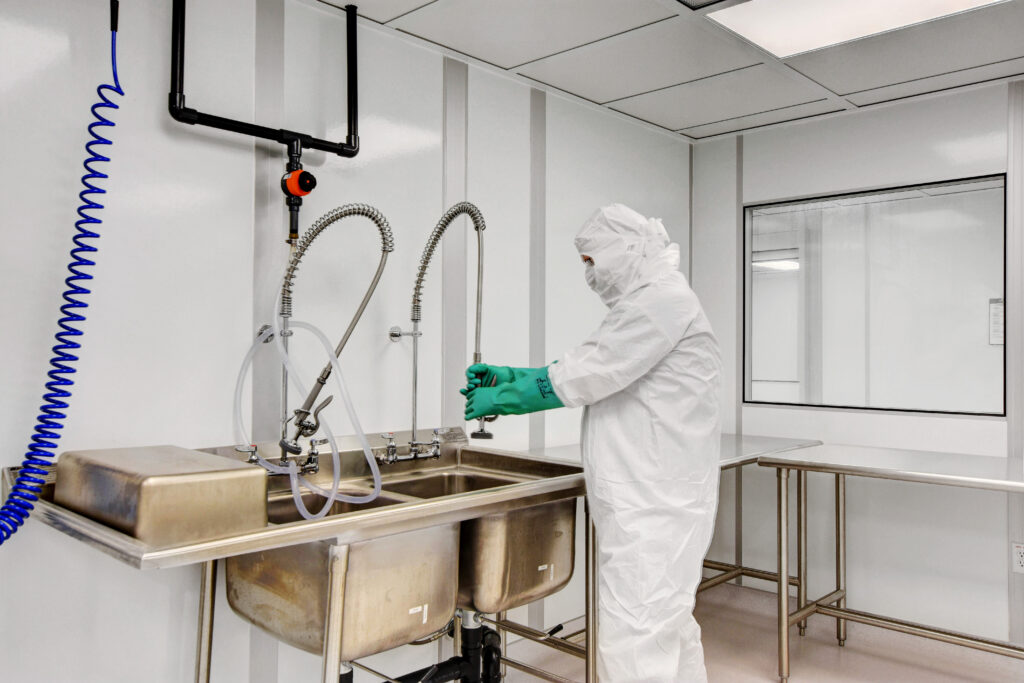

In precision-driven industries such as pharmaceuticals, food manufacturing, aerospace, and semiconductors, maintaining a clean production space is essential. It is not just a best practice but a critical standard tied directly to safety, compliance, and product quality. Although facilities may appear spotless and run with advanced filtration systems, microscopic contaminants can still find their way in. These particles often go unnoticed, yet they pose a serious risk to even the most carefully controlled operations.
Unexpected Sources in Plain Sight
While routine cleaning and high-efficiency filtration are cornerstones of contamination control, they may not address some of the more subtle sources of particle generation. Materials like uncoated metal parts, worn seals, and exposed wiring can gradually shed debris due to physical wear or chemical reactions. Even everyday actions, such as opening a door, walking between rooms, or moving equipment, can disturb settled particles and redistribute them across work zones.
Environmental factors also contribute to the issue. Shifts in humidity and temperature can lead to condensation on overhead surfaces or ductwork, loosening particles that then fall into clean areas. Static buildup is another hidden concern. It attracts dust and debris to surfaces, containers, and tools, which may then be transferred by touch or movement without being detected.
Even facilities with robust filtration systems may fall short if airflow is not carefully designed. Poor circulation can result in stagnant zones where particles collect undisturbed. These areas often go unnoticed unless airflow modeling or particle mapping is used to identify problem spots.
Strengthening Cleanroom Practices
To better manage particle contamination, facilities must go beyond standard cleaning routines. Environmental monitoring should include long-term data analysis to identify patterns. If contamination spikes occur regularly after certain shifts or during specific processes, those trends may reveal gaps in protocol or equipment performance that need attention.
Thoughtful facility design can make a measurable difference. Using rounded surfaces, angled panels, and modular components in equipment design reduces areas where particles can collect. These modifications support more effective cleaning and maintenance.
Employee hygiene and apparel are also critical factors. Garments designed to minimize fiber shedding and strict adherence to gowning procedures reduce the risk of contamination from human movement. Regular certification and refresher training for staff can help ensure these precautions remain effective.
Maintenance practices deserve special attention as well. Routine tasks like changing filters, calibrating instruments, or applying lubricants can introduce new contaminants if not carried out under controlled conditions. Coordination between maintenance and operations teams ensures that cleanliness standards are upheld across all departments.
A Shift Toward Proactive Control
The most successful contamination control programs treat particle behavior as a dynamic challenge. Cleanrooms do not remain pristine by default. Their conditions constantly change, and so must the strategies used to manage them. Proactively anticipating how particles travel and where they might accumulate gives teams the insight they need to stay ahead of potential risks.
By prioritizing proactive solutions, refining cleaning methods, and focusing on areas that are often overlooked, companies can reduce setbacks, maintain compliance, and protect product quality. Achieving these outcomes begins with understanding that the greatest contamination threats are often the ones you cannot see. For more on this, check out the accompanying resource from Technical Safety Services, a provider of a cleanroom certification.

Comments are closed.