

The Damage Is Not Always Obvious
Australia regularly experiences severe weather and natural disasters capable of causing substantial property damage. Once the immediate danger has passed, attention quickly turns to what can be repaired and when people can safely return. The difficulty is that not every problem is visible. A professional disaster assessment can help identify the nature and extent of damage before repair decisions are made.
Water Leaves a Long Trail
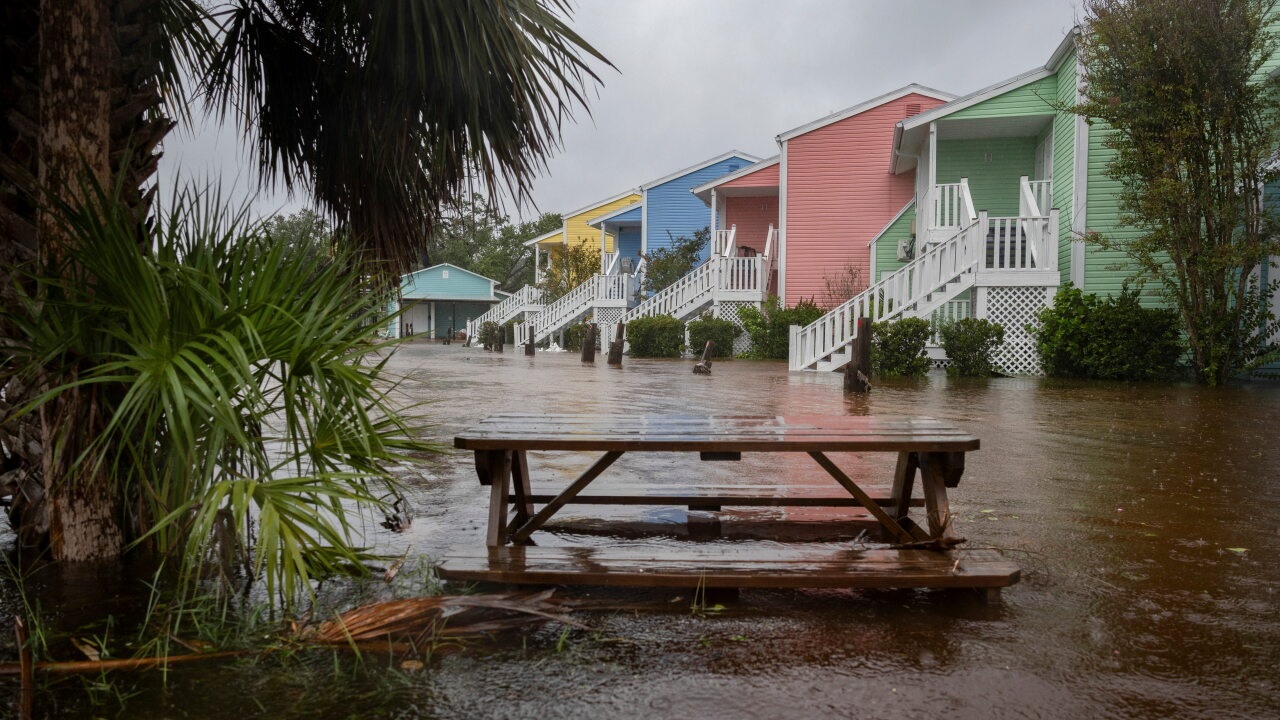
Flooding can affect far more than flooring and wall linings. Water may enter cavities, damage insulation, contribute to timber deterioration and affect electrical or
mechanical services. Contaminated floodwater can create further challenges, while prolonged moisture can delay safe reinstatement. Foundations and surrounding soil may also be affected, particularly where fast-moving water has caused erosion or where ground conditions change significantly as soil dries.
Storms Test the Whole Structure
Severe storms and cyclones can create damage across roofing, framing, cladding and connections. Missing roof sheets may be obvious, but movement or damage to supporting elements may require closer investigation. Wind-driven rain can also enter through relatively small openings and travel through the building before becoming visible internally. Following a major event, a disaster assessment can help distinguish direct event damage from unrelated deterioration or maintenance issues.
Fire Travels Beyond the Flames
Bushfires and building fires create another set of challenges. Materials directly exposed to flames may require removal, but heat and smoke can also affect areas beyond the obvious burn zone. Structural steel, timber framing, concrete and other materials can respond differently to intense heat. Water used during firefighting can introduce additional moisture damage. Determining what can safely remain and what needs further investigation requires more than a visual check from outside the property.
Document Before Rebuilding
There can be understandable pressure to clean up and commence repairs quickly after a disaster. Before damaged materials are removed, thorough documentation can be valuable. Photographs, measurements, records of water levels and observations of structural conditions can help establish what occurred. This evidence may assist insurers, builders, engineers and property owners when agreeing on the appropriate scope of repair.
Recovery Starts With Understanding
A disaster assessment is not simply about producing a list of damaged items. It can help establish causation, identify safety concerns and create a clearer picture of what needs further investigation or repair. In the aftermath of a flood, storm, bushfire or other major event, accurate information can reduce uncertainty and help ensure recovery work addresses the actual damage rather than only what is immediately visible.