
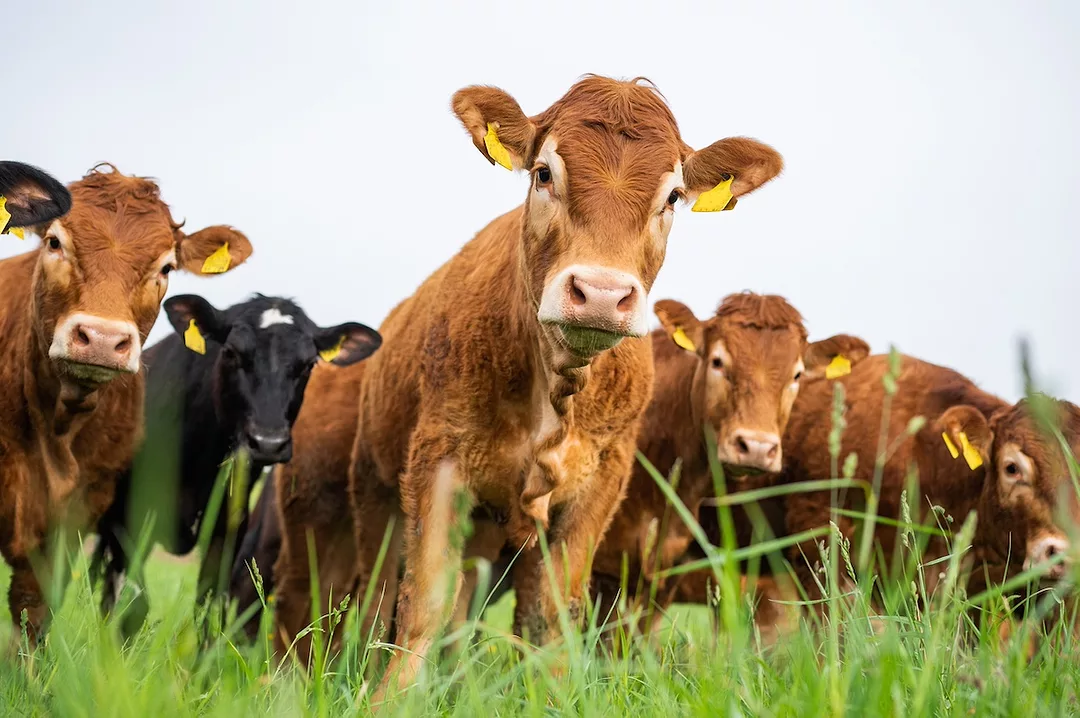

The global beef market operates within a layered and evolving system shaped by production timelines, changing consumer demand, and interconnected supply networks. While trade patterns may seem steady at a glance, the factors that sustain them are constantly shifting. For producers, processors, and related businesses, understanding these dynamics is key to maintaining reliable access to international markets.
A defining characteristic of the beef industry is its reliance on biological cycles. Expanding a herd or adjusting production levels takes time, often years, which limits how quickly supply can respond to sudden changes in demand. Because of this, trade relationships tend to favor regions that can consistently deliver reliable volume, quality, and timing rather than those with untapped production potential.
Demand trends also play a significant role in shaping global trade. As populations grow, urbanize, and experience rising incomes, consumption patterns shift. In regions where domestic production cannot meet demand, reliance on imports increases. This places greater importance on logistics, processing capabilities, and regulatory alignment between countries. Markets that can meet these expectations while maintaining consistent supply are more likely to sustain long-term partnerships.
In addition to supply and demand, operational and financial factors are becoming more influential. Extended supply chains require coordination across multiple jurisdictions, currencies, and regulatory systems. Products may remain in transit or storage for longer periods, tying up capital and increasing exposure to risk. In this context, access to flexible agricultural financial solutions becomes just as important as physical infrastructure.
Planning and visibility across the value chain are also critical. Decisions related to sourcing, processing, and distribution are often made well in advance, leaving limited room for rapid adjustments. Companies that invest in forecasting, communication, and coordination are better equipped to manage disruptions and maintain continuity when conditions change.
Agricultural financing plays a central role in building resilience. Producers rely on adaptable financing to manage herd cycles and fluctuating input costs, while processors and exporters depend on capital to meet compliance requirements and serve global markets. Strong risk management practices allow businesses to navigate uncertainty while continuing to invest in long-term growth.
As the global beef trade continues to evolve, success depends on more than production capacity alone. It requires alignment between supply reliability, market access, operational execution, and financial strategy. Organizations that take a long-term, integrated approach are better positioned to handle volatility, maintain strong relationships, and operate effectively across changing market conditions.
For additional perspective on how these forces interact across the global beef system, explore the insights highlighted in the accompanying visual overview.

Comments are closed.