
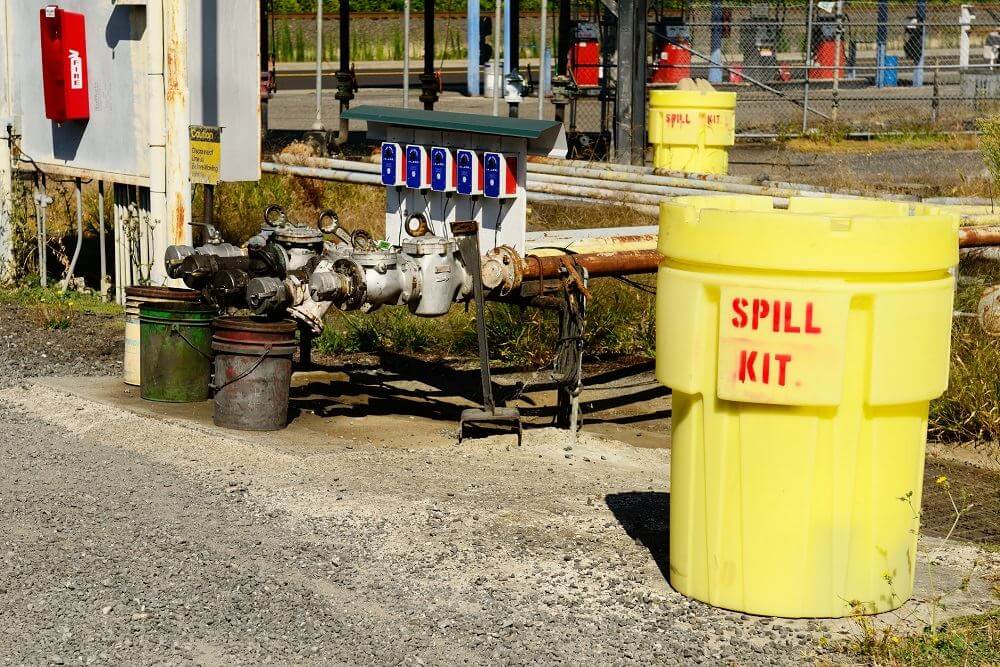

Agrochemicals play a critical role in modern agriculture, supporting crop protection, yield consistency, and food supply reliability. However, the handling of these materials presents unique challenges across manufacturing, packaging, transportation, and end use. When spills occur, the consequences can extend far beyond the immediate cleanup, affecting operations, compliance efforts, and long-term environmental stewardship. For manufacturers and handlers, reducing spill risk requires a combination of thoughtful design, disciplined processes, and a culture of safety.
One of the less visible risks associated with agrochemical spills is cumulative exposure. Small leaks or repeated minor releases can go unnoticed until they result in equipment corrosion, contaminated work areas, or unsafe conditions for employees. Over time, these issues can disrupt workflows and increase maintenance demands. Proactive spill prevention helps organizations avoid these gradual impacts by addressing vulnerabilities before they escalate.
Another important consideration is the complexity of modern supply chains. Agrochemicals often move through multiple facilities, storage locations, and transport partners before reaching their final destination. Each transfer introduces new variables, including differences in handling procedures, equipment compatibility, and environmental conditions. Clear standards, consistent container performance, and reliable filling processes help maintain control as products move between stakeholders.
Packaging design also influences downstream safety in ways that are not always obvious. Containers that are difficult to handle or poorly suited to automated systems can increase the likelihood of drops, tipping, or improper connections. In contrast, packaging that is engineered for stability, compatibility, and ease of use supports safer handling throughout the product lifecycle. When paired with precise filling systems, well designed packaging reduces the need for manual intervention and helps maintain consistent quality.
Training and communication are equally important elements of spill prevention. Even the most advanced systems rely on knowledgeable personnel who understand how to operate equipment correctly and respond appropriately when conditions change. Ongoing training reinforces safe practices and ensures that workers remain prepared to address potential issues without hesitation. Clear documentation and labeling also support better decision-making, particularly during transport and storage.
Finally, effective spill management includes planning for the unexpected. Having established response procedures allows teams to act quickly and confidently when incidents occur, minimizing disruption and protecting people and facilities. These plans are most effective when they are integrated into daily operations rather than treated as standalone requirements. Regular reviews and practical drills further strengthen readiness and help teams adapt to evolving operational demands.
By viewing spill prevention as a continuous process rather than a single checkpoint, organizations can create safer, more resilient operations across manufacturing and beyond.
For a deeper look at how engineered processes and packaging solutions support safer agrochemical handling, check the resource below to expand on these concepts. For more on this, check out the accompanying resource from supplier of net weight fillers, PACKR.

Comments are closed.