
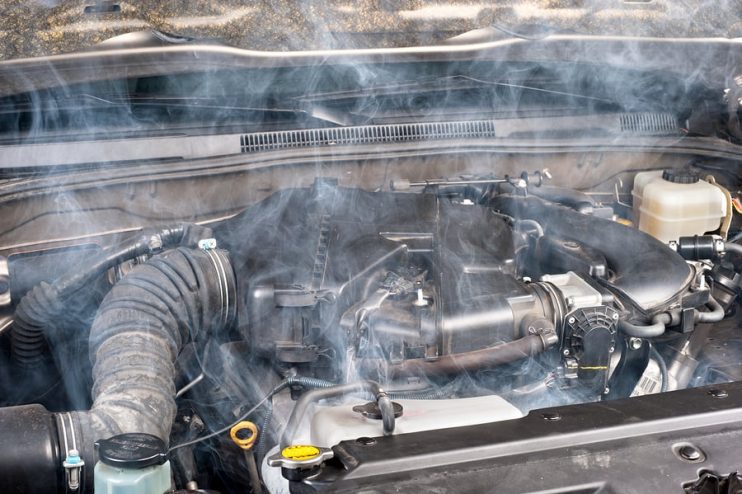

Engine overheating is one of the most serious issues a vehicle owner can face. If ignored, it can lead to expensive repairs such as head gasket failure, warped engine components, or complete engine breakdown.
Understanding the causes, early warning signs, and preventive maintenance practices helps drivers avoid sudden roadside failures and extend engine life significantly.
What Happens When a Car Engine Overheats
An engine generates heat continuously during combustion. The cooling system maintains safe operating temperature using coolant circulation, radiator airflow, and thermostat regulation.
When any component of the cooling system fails, temperature rises rapidly and may cause:
- Loss of engine efficiency
- Reduced lubrication performance
- Damage to internal components
- Risk of engine seizure
Immediate attention prevents severe long-term damage.
Common Causes of Engine Overheating
Several mechanical and maintenance-related factors can trigger overheating.
Low Coolant Level
Coolant absorbs engine heat and transfers it to the radiator. Low coolant prevents proper temperature control.
Typical reasons include:
- Leakage from hoses
- Damaged radiator
- Loose clamps
- Evaporation over time
Regular coolant checks reduce overheating risk.
Radiator Fan Failure
The radiator fan helps maintain airflow when the vehicle moves slowly or stops in traffic.
If the fan stops working:
- Heat builds quickly
- Engine temperature rises rapidly
- Cooling efficiency drops significantly
Fan inspection is essential during routine servicing.
Faulty Thermostat
The thermostat controls coolant circulation between the engine and radiator.
When it fails:
- Coolant flow becomes restricted
- Heat remains trapped inside the engine
- Temperature rises unexpectedly
Replacing a defective thermostat restores normal cooling performance.
Coolant Leakage
Leaks reduce coolant availability and cooling system pressure.
Common leak sources include:
- Radiator cracks
- Hose damage
- Water pump seal failure
- Reservoir tank issues
Leak detection should never be delayed.
Warning Signs of an Overheating Engine
Recognizing early warning signals helps prevent major engine damage.
Important indicators include:
- Rising temperature gauge reading
- Steam from under the bonnet
- Burning smell from engine bay
- Coolant warning light on dashboard
- Reduced engine performance
Drivers should stop safely if these signs appear.
Immediate Steps to Take When the Engine Overheats
Quick response can prevent serious mechanical failure.
Follow these steps:
- Turn off air conditioning immediately
- Switch on cabin heater to reduce engine heat load
- Stop the vehicle safely
- Allow engine to cool before opening bonnet
- Never open radiator cap when engine is hot
These precautions reduce risk and protect engine components.
Importance of Radiator Maintenance
The radiator plays a central role in engine temperature regulation.
Routine radiator care includes:
- Cleaning external fins
- Checking coolant level regularly
- Inspecting hoses for cracks
- Flushing coolant at recommended intervals
Proper radiator maintenance improves cooling efficiency.
Role of Engine Oil in Temperature Control
Engine oil reduces friction between moving parts and helps dissipate heat.
Low or degraded oil can:
- Increase internal friction
- Raise engine temperature
- Reduce lubrication performance
Regular oil changes help maintain safe operating conditions.
Seasonal Factors That Increase Overheating Risk
Environmental conditions influence cooling system performance.
Summer Driving Risks
Hot weather increases stress on cooling systems because:
- Ambient temperature remains high
- Cooling efficiency decreases
- Traffic congestion raises engine load
Parking in shaded areas helps reduce heat buildup.
Long-Distance Driving Conditions
Extended highway travel increases overheating risk if maintenance is neglected.
Before long trips:
- Check coolant level
- Inspect radiator hoses
- Verify fan operation
- Ensure proper engine oil level
Preventive checks reduce unexpected breakdowns.
Preventive Maintenance Checklist for Drivers
Simple routine checks help avoid overheating issues.
Recommended practices include:
- Inspect coolant every two weeks
- Replace coolant as per service schedule
- Monitor dashboard temperature indicator regularly
- Check radiator fan function periodically
- Service thermostat during scheduled maintenance
Preventive care improves engine reliability and lifespan.
Frequently Asked Questions
How often should coolant be replaced in a car
Most vehicles require coolant replacement every two to five years depending on manufacturer recommendations and driving conditions.
Can driving with low engine oil cause overheating
Yes, insufficient engine oil increases friction and heat buildup which may lead to overheating.
Is it safe to continue driving after the engine temperature warning appears
No, driving with a high temperature warning can cause severe engine damage and should be avoided.
Does air conditioning increase engine overheating risk
Using air conditioning increases engine load slightly, especially in hot weather, which may contribute to overheating if the cooling system is weak.
Can radiator blockage cause overheating
Yes, blocked radiator passages reduce coolant circulation and prevent effective heat dissipation.
Why does my engine overheat mostly in traffic
Slow traffic reduces airflow through the radiator, making cooling systems depend heavily on radiator fan performance.
Does old coolant affect engine temperature control
Yes, degraded coolant loses heat transfer efficiency and may lead to higher engine operating temperatures.
Comments are closed.