
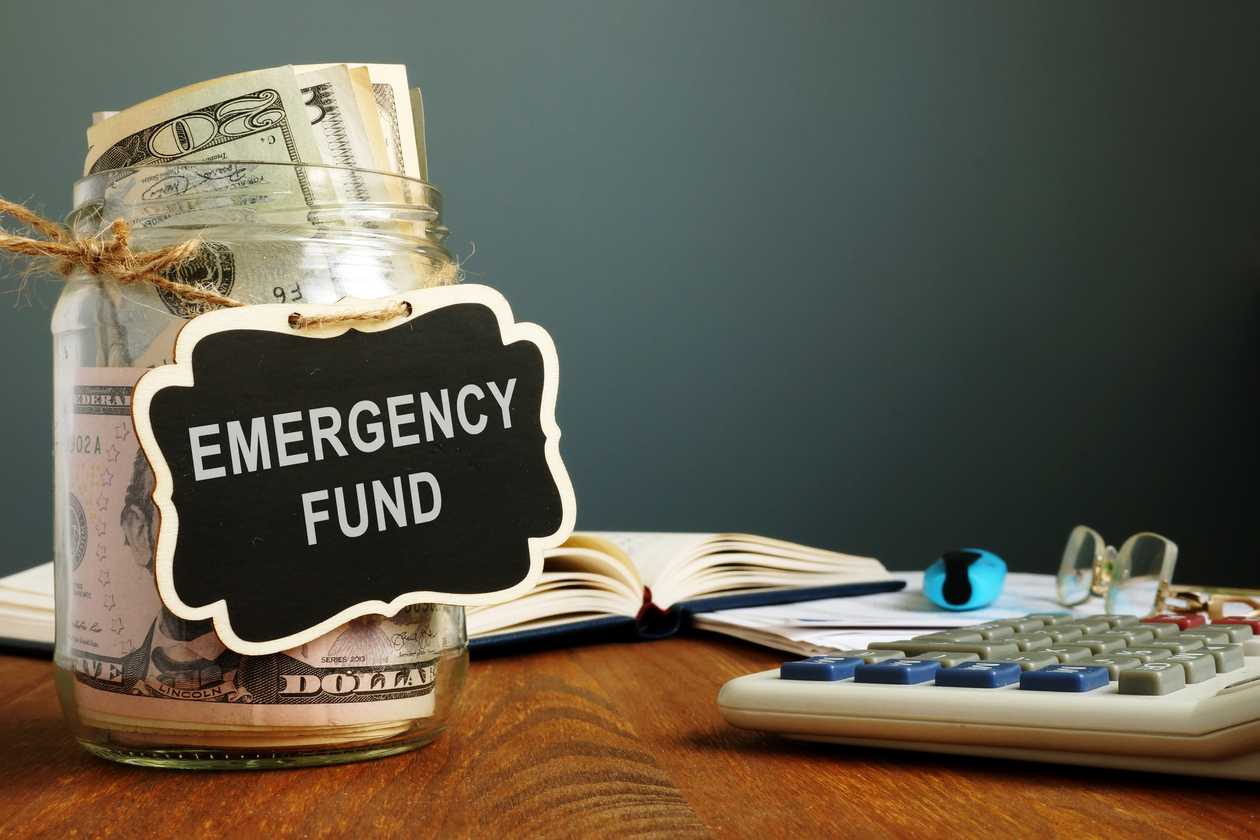

Investing is essential for long-term wealth creation, but even the best investment strategy can fail without a solid financial safety net. An emergency fund plays a critical role in protecting investors from unexpected disruptions that could otherwise force poor financial decisions.
What Is an Emergency Fund?
An emergency fund is cash set aside specifically to cover unforeseen expenses such as medical emergencies, job loss, urgent repairs, or family crises. For investors, it serves as a buffer that allows investments to remain untouched during difficult periods.
Why Emergency Funds Matter for Investors
Investors face unique risks that make emergency funds especially important. Market volatility, income changes, or sudden expenses can derail long-term plans without adequate preparation.
Key reasons emergency funds are essential include:
- Preventing forced liquidation of investments
- Reducing reliance on high-interest debt
- Providing stability during market downturns
Emergency Funds Protect Long-Term Investments
When emergencies arise, investors without cash reserves may be forced to sell investments at unfavorable times. An emergency fund eliminates this risk.
With a strong emergency fund, investors can:
- Stay invested during market declines
- Avoid locking in losses
- Maintain long-term growth strategies
This protection preserves compounding benefits.
Emergency Funds Reduce Emotional Decision-Making
Financial stress often leads to emotional decisions. An emergency fund creates confidence and calm during uncertainty.
Benefits include:
- Reduced panic during market volatility
- Better adherence to investment plans
- Clear thinking during financial disruptions
Emotional stability supports smarter investing behavior.
How Much Should Investors Save?
The ideal emergency fund size depends on income stability and lifestyle, but many investors aim for three to six months of essential living expenses.
Factors that influence fund size include:
- Job security
- Dependents
- Fixed monthly expenses
- Access to other liquid resources
More variable income often requires a larger buffer.
Where Should Emergency Funds Be Kept?
Emergency funds should be easily accessible and low-risk. The focus is liquidity, not growth.
Common characteristics include:
- Quick access without penalties
- Capital preservation
- Minimal volatility
Keeping emergency funds separate from investment accounts reduces temptation to invest them.
Emergency Funds Support Smarter Risk-Taking
Ironically, having cash reserves can allow investors to take calculated risks in their portfolios. Knowing that essential expenses are covered increases confidence.
This enables investors to:
- Stick to growth-oriented strategies
- Avoid over-conservative investing due to fear
- Focus on long-term opportunities
Security outside the market improves decision-making inside it.
Emergency Funds Complement Insurance
While insurance covers specific risks, it does not replace emergency funds. Deductibles, coverage gaps, and delays can still create cash needs.
An emergency fund:
- Covers immediate expenses
- Bridges gaps in insurance payouts
- Provides flexibility in unexpected situations
Together, insurance and emergency funds strengthen financial resilience.
Emergency Funds Are Not Optional for Investors
Emergency funds are not idle money; they are strategic tools that protect investment plans. Without them, even disciplined investors can face setbacks that undo years of progress.
Frequently Asked Questions (FAQs)
1. Should investors build an emergency fund before investing?
Yes, building a basic emergency fund should come before aggressive investing.
2. Can emergency funds be invested for higher returns?
No, emergency funds should remain liquid and low-risk to ensure availability when needed.
3. How long does it take to build an emergency fund?
The timeline varies, but consistent monthly saving can build a fund over time.
4. Should emergency funds be adjusted as income grows?
Yes, emergency funds should increase as expenses and responsibilities grow.
5. Are emergency funds necessary for high-income investors?
Yes, higher income does not eliminate the risk of unexpected expenses or income disruption.
6. What expenses qualify as emergencies?
Medical bills, job loss, urgent home repairs, and essential family needs typically qualify.
7. Can an emergency fund improve investment confidence?
Yes, knowing you are financially prepared reduces anxiety and supports disciplined investing.
Comments are closed.