
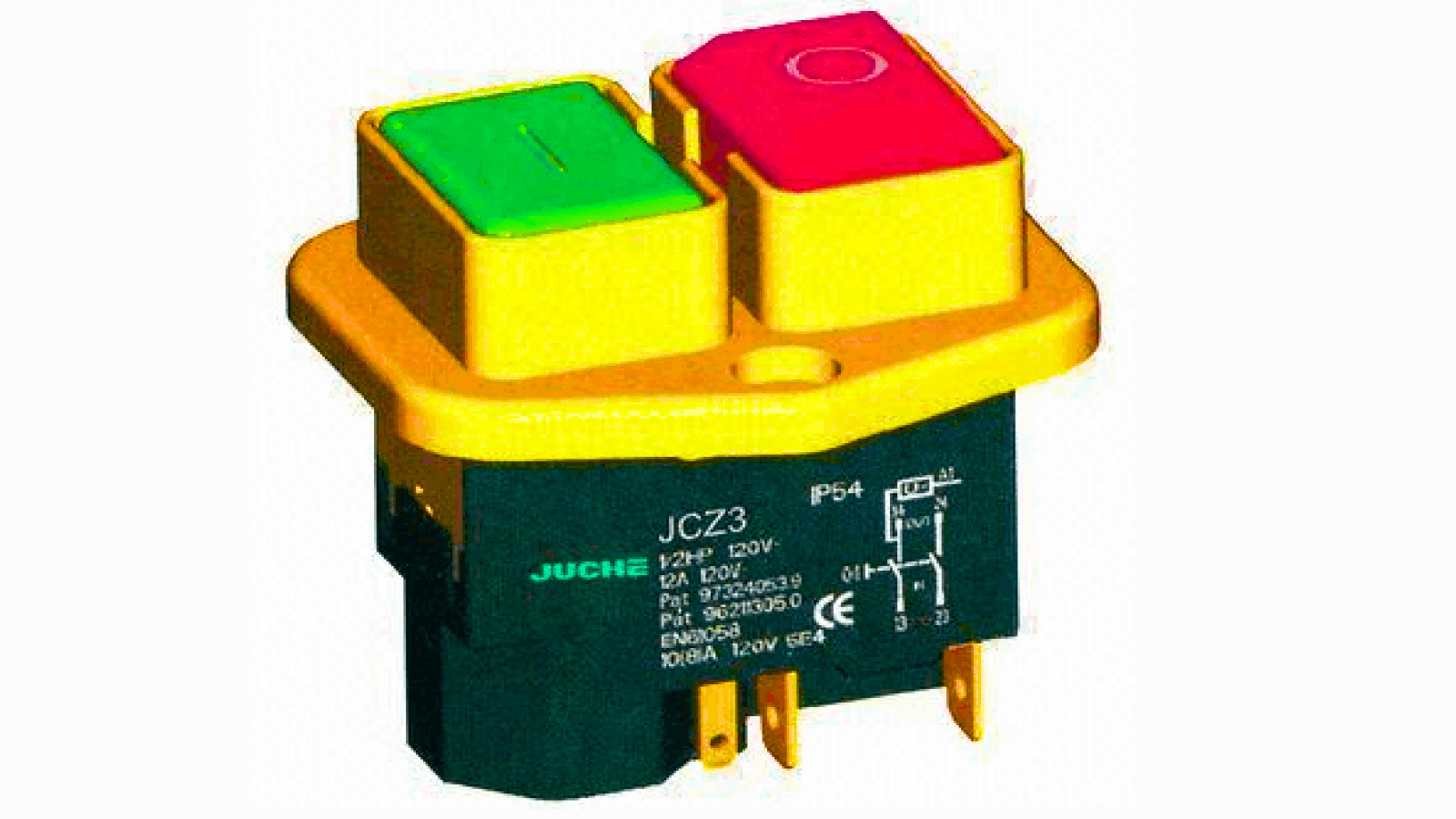

In the rapidly evolving landscape of modern machinery, the role of passive components often goes overlooked, yet their significance is paramount in ensuring efficiency and reliability. Among these components, the electromagnetic switch passive stands out as a critical element that facilitates seamless operation in various applications. An electromagnetic switch passive functions by utilizing electromagnetic fields to control the flow of electricity, thereby enabling machinery to achieve precise control over various processes. With the increasing complexity of automated systems and the demand for high-performance equipment, understanding the intricacies of these switches becomes essential for engineers and technicians alike. This article delves into the fundamental principles governing electromagnetic switch passives, exploring their construction, operational mechanisms, and the diverse applications across industries ranging from manufacturing to transportation. By elucidating their importance and functionality, we aim to provide a comprehensive understanding of how these components contribute not only to the optimization of machinery but also to the advancement of technology in an era marked by innovation and efficiency. As industries continue to prioritize automation and smart solutions, a thorough grasp of electromagnetic switch passives will empower professionals to harness their potential effectively, paving the way for future developments in machinery design and operation.
Electromagnetic Switch Passive: Key Functionalities Explained
The electromagnetic switch passive is crucial in controlling electrical circuits without direct mechanical actuation. This device employs an electromagnetic field to facilitate the opening or closing of a circuit, allowing for efficient operation in various applications. Its design typically incorporates a coil and a magnetic armature, which together create a reliable mechanism for toggling connections in response to the presence or absence of electrical current. This functionality not only minimizes wear and tear associated with mechanical contacts but also enhances responsiveness and safety in operation.
Moreover, the electromagnetic switch passive is integral in applications requiring precise control over high-voltage systems, as it can isolate different parts of a circuit while maintaining uninterrupted operation. By utilizing this type of switch, engineers can design systems that are both more robust and energy-efficient, ensuring that power is distributed only when necessary. This ultimately contributes to longer lifespan and reduced maintenance costs in machinery, highlighting the importance of incorporating electromagnetic switch passive technology in modern electrical systems.
Advantages of Electromagnetic Switch Passive Technology
The integration of electromagnetic switch passive technology offers numerous advantages that enhance system performance and reliability. One significant benefit is the reduction of mechanical wear and tear, as these switches rely on electromagnetic forces rather than physical movement to operate. This characteristic results in a longer lifespan and lower maintenance requirements, making them an ideal choice for applications where frequent switching is necessary. Additionally, the fast response times associated with electromagnetic switch passive devices enable precise control over electrical circuits, which is particularly beneficial in safety-critical environments.
Furthermore, this technology supports improved energy efficiency by minimizing power loss during operation. The ability to maintain stable connections without the friction and degradation typical of mechanical switches leads to lower energy consumption and reduced heat generation. This not only conserves resources but also enhances the overall reliability of the systems in which these switches are implemented. Overall, the electromagnetic switch passive technology represents a significant advancement in circuit control, providing engineers with versatile and effective solutions for a wide range of industrial and commercial applications.
Applications in Modern Machinery and Beyond
In various sectors, the deployment of electromagnetic switch passive devices is revolutionizing machinery operation and system design. Their versatility allows for seamless integration into complex automation systems, facilitating enhanced precision and responsiveness in applications such as robotics, automotive control systems, and industrial automation. By enabling rapid switching capabilities and maintaining high reliability under demanding conditions, these switches empower manufacturers to optimize their processes, improve production efficiency, and reduce downtime.
Beyond traditional machinery, the influence of electromagnetic switch passive technology extends into emerging fields such as renewable energy and smart grids. In solar energy systems, for example, these switches can efficiently manage the flow of electricity, contributing to better energy management and resource allocation. Similarly, in smart grid applications, they play a crucial role in enhancing the stability and efficiency of power distribution, ensuring that energy is delivered effectively while minimizing losses. As industries continue to evolve, the adaptability and effectiveness of electromagnetic switch passive devices position them as essential components in innovative technological advancements.
In conclusion, the significance of the electromagnetic switch passive in modern machinery cannot be overstated. As an essential component in various applications, these switches enhance operational efficiency, reliability, and safety across diverse industries. By facilitating seamless control of electrical circuits and providing protection against overloads and short circuits, they play a crucial role in the functionality of automated systems. As technology continues to evolve, the importance of understanding and implementing effective electromagnetic switch passives will only increase, ensuring that machinery operates at optimal performance levels. Investing in high-quality components and staying informed about advancements in this field will ultimately lead to improved productivity and innovation in modern engineering practices.
Comments are closed.