
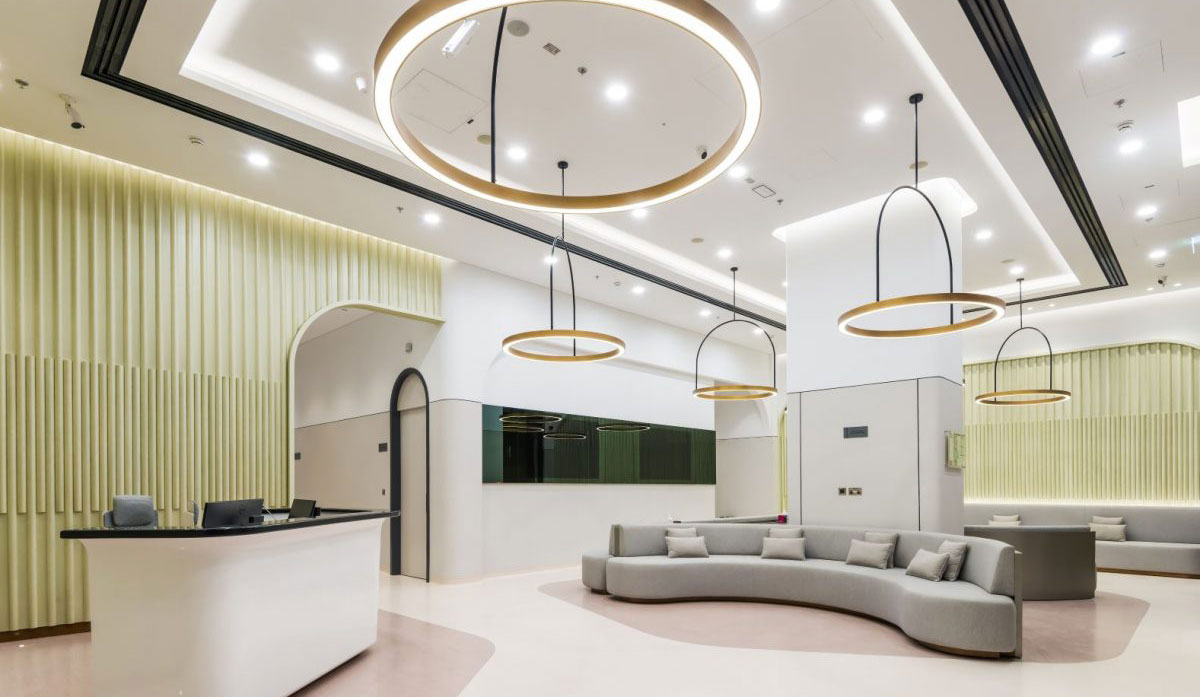

The design of healthcare facilities in Australia is undergoing a significant transformation. Traditional, sterile environments are being replaced by spaces designed to enhance patient well-being, improve staff efficiency, and integrate new technologies. These modern clinics and hospitals focus on creating a healing atmosphere from the moment a person walks through the door.
Developing these spaces requires a deep understanding of the unique demands of the healthcare sector. Collaboration with experienced healthcare fitout specialists is essential to combine functional design with a patient-centred approach. The goal is to build environments that are not only compliant with Australia’s rigorous health standards but also feel welcoming and supportive for patients and their families.
The evolution of medical interiors involves a careful balance of materials, lighting, and spatial planning. From adaptable consultation rooms to peaceful waiting areas, every element is considered for its impact on the patient experience and operational workflow. This forward-thinking approach is shaping the future of medical facility construction across the country.
Human-Centred Design Principles
A primary focus of modern healthcare fitouts is human-centred design. This philosophy prioritises the needs and experiences of the people using the space, patients, staff, and visitors. Waiting rooms are a great example. Instead of rows of uncomfortable chairs, innovative designs incorporate comfortable seating arrangements, natural light, and biophilic elements like indoor plants. These features can help reduce anxiety and create a more calming environment.
For clinical areas, functionality is paramount. Layouts are being optimised to reduce the travel distance for medical staff, making their workflows more efficient. Modular and multi-functional furniture allows rooms to be adapted for different purposes, from consultations to minor procedures. This flexibility is important for facilities that need to respond to changing patient needs and technological advancements.
Integrating Technology Seamlessly
Technology integration is another cornerstone of innovative fitout solutions. Modern facilities are designed to support everything from telehealth services to advanced diagnostic equipment. This involves planning for robust data cabling, sufficient power outlets, and specialised lighting. The design must also consider how technology can improve the patient journey. For instance, digital check-in kiosks and clear digital signage can streamline administrative processes and help people find their way.
Smart building technology is also becoming more common. Automated lighting and climate control systems not only enhance comfort but also improve energy efficiency. By embedding these technologies into the initial design, facilities can ensure they are prepared for future medical innovations without needing extensive retrofitting.
Durability and Infection Control
In any healthcare setting, material selection is vital. Surfaces must be durable enough to withstand constant use and rigorous cleaning routines. Modern fitouts use materials that are non-porous, easy to sanitise, and resistant to harsh chemicals, which helps to maintain high standards of infection control.
Antimicrobial surfaces are increasingly being used for high-touch points like door handles, benchtops, and furniture. This adds another layer of protection against the spread of infections. By combining thoughtful design with advanced materials, Australian healthcare facilities can provide safer and more effective environments for everyone.
Comments are closed.